
Formula 1 History
Explore historical topics by era, theme and Grand Prix context.
The F1 Chronicle groups Formula 1 history by the themes readers most often explore. Discover racing eras, driver histories, team legacies, championships, technology and Grand Prix stories, then contact us with questions about editorial coverage. This site does not provide live results or official statistics.
Drivers & championships
Most titled drivers and landmark championship chapters.
A short orientation to Formula 1 history — the Drivers' World Championship record holders and eras that reshaped Grand Prix racing. Figures below are widely published championship totals for general reference; always verify detailed statistics through established sources.
Most Drivers' World Championships
Michael Schumacher and Lewis Hamilton are the most titled drivers with seven Drivers' World Championships each. Juan Manuel Fangio follows with five titles. Alain Prost and Sebastian Vettel each won four championships.
Landmark championship eras
Early championship decades established the modern World Championship structure. Later periods — including the turbo era, the 1990s title battles and the hybrid formula years — reshaped cars, teams and how seasons were contested.
Teams & constructors in history
Constructor championships run alongside the drivers' title and frame long team legacies across different technical regulations. Explore how constructors and drivers shaped each era without treating this page as an official results archive.
Historical categories to explore
Use the overview below as a starting point. You can combine questions in one inquiry — for example, a racing era plus the technology themes associated with that period.
| Category | Typical focus | Next step |
|---|---|---|
| Racing eras | Decades that shaped Grand Prix competition | Explore the Story |
| Early Grand Prix | Origins of championship racing | Read More |
| Championship history | Season structures and competition narratives | Explore F1 History |
| Driver histories | Figures associated with Formula 1 | Discover Drivers |
| Teams & constructors | Organisations in Formula 1 competition | Explore Teams |
| Circuits | Grand Prix venues and track characteristics | Discover Circuits |
| Historic races | Memorable Grand Prix chapters | Explore the Archive |
| Racing technology | Engineering and car design evolution | Learn About F1 Technology |
| Safety evolution | Developments in circuit and car safety | Read More |
| Technical regulations | Rule changes across racing periods | Explore the Story |
| Formula 1 culture | Atmosphere, media and fan traditions | Discover the Timeline |
| Formula 1 timeline | Chronological view of key themes | Contact The F1 Chronicle |
Featured historical themes
These notes describe common editorial themes within each category. Coverage varies by topic — contact The F1 Chronicle for questions about site content. Team names, driver names and related trademarks belong to their respective owners. Their use is for identification and editorial discussion only.
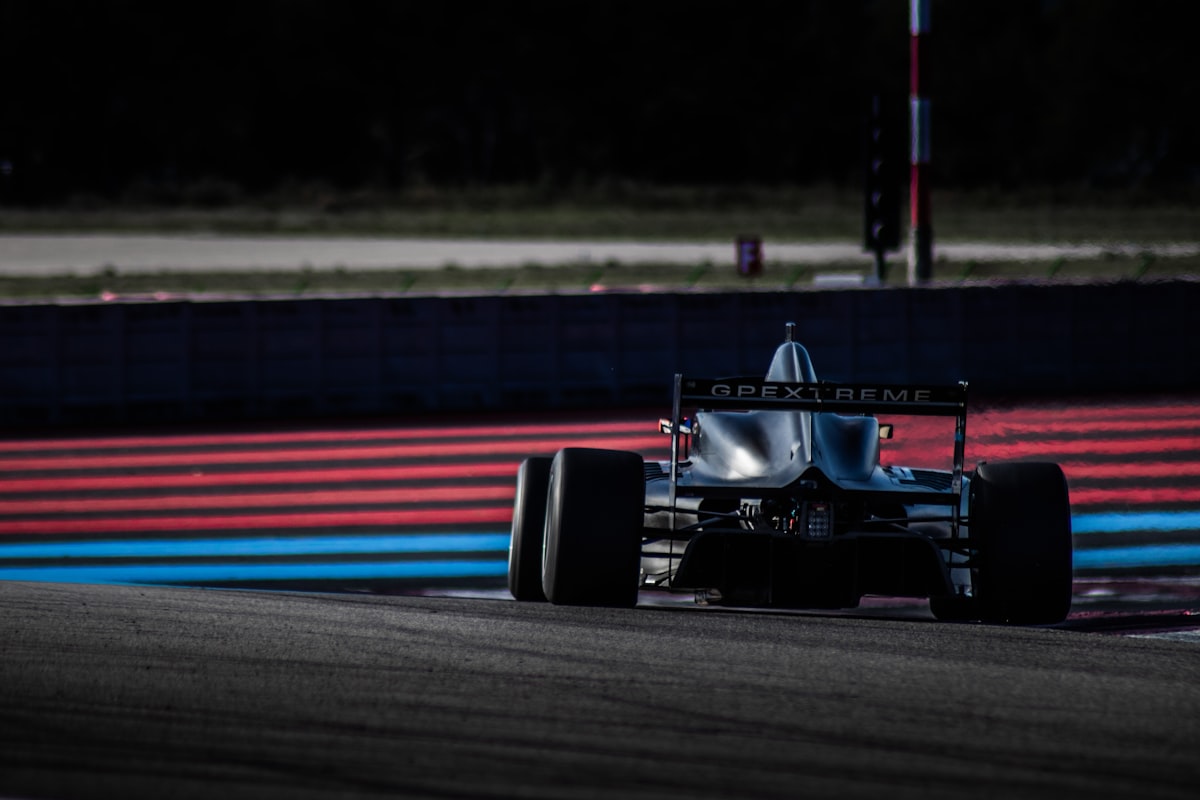
Racing Eras
Category: Historical periods
Explore how different decades shaped Formula 1 — from early championship structures to modern Grand Prix racing. Discover how eras influenced teams, circuits and technical development.
- Editorial context for major racing periods
- Connections between eras and technology
- Contact us for topic-specific questions
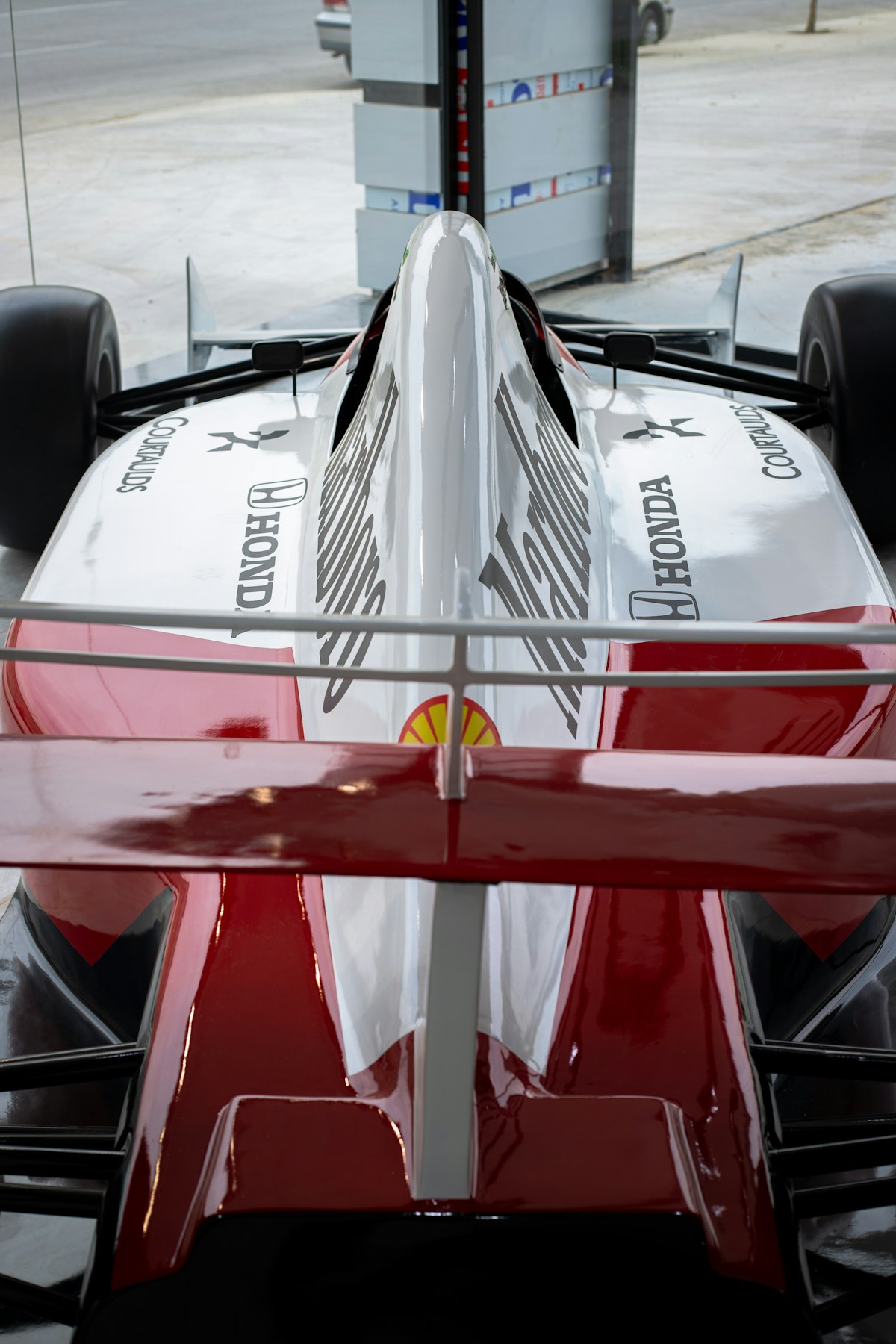
Driver Histories
Category: Key figures
Learn about drivers associated with Grand Prix racing across different periods. Editorial material explores legacies, career narratives and the culture of Formula 1 competition.
- Figures across different championship periods
- Editorial context without unverified statistics
- Contact us for general topic questions
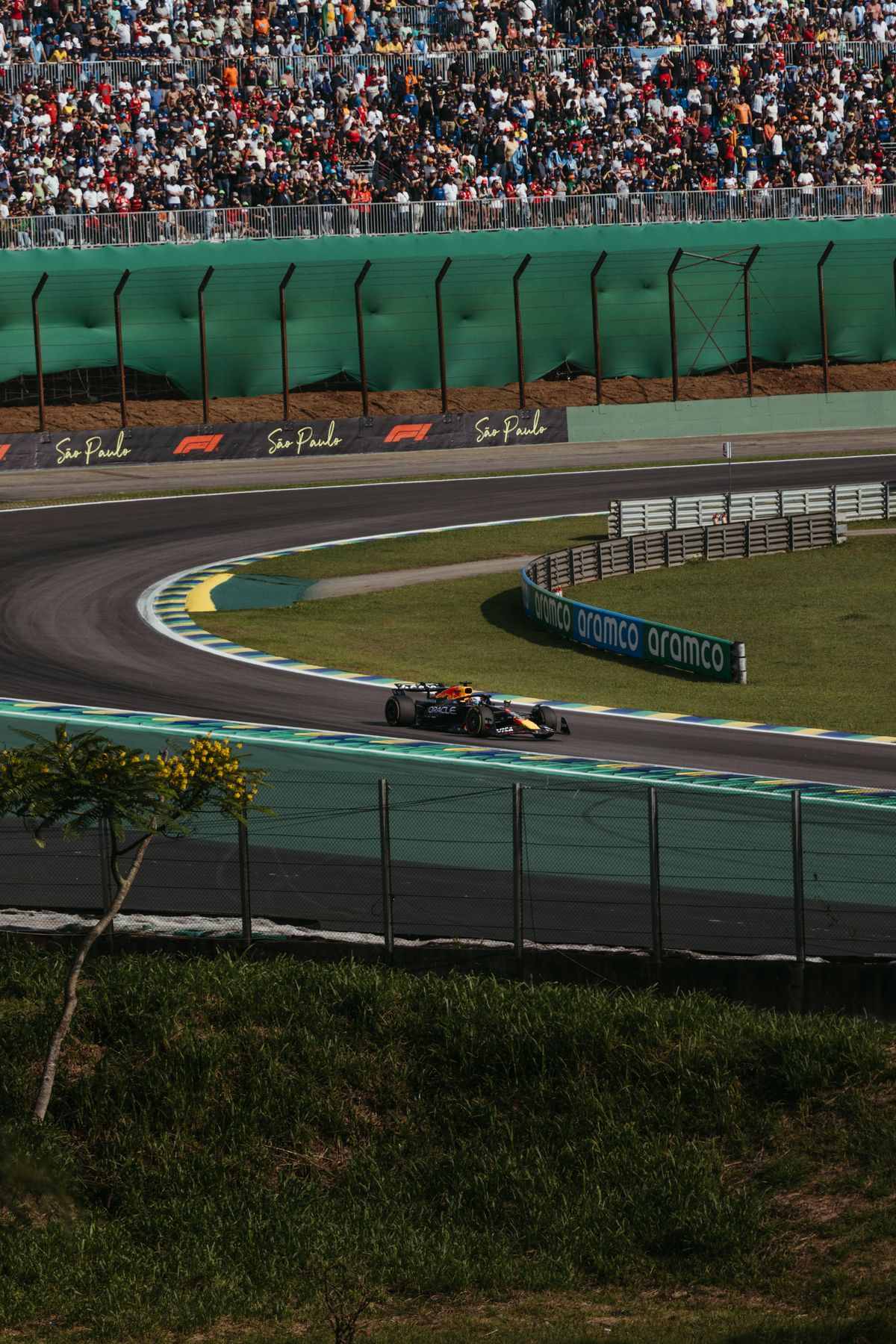
Teams & Constructors
Category: Organisations
Explore the history of teams and constructors in Formula 1. Intended focus and era interest are frequent topics in reader inquiries.
- Constructor legacies across racing periods
- Editorial themes without partnership claims
- Contact us for general topic questions
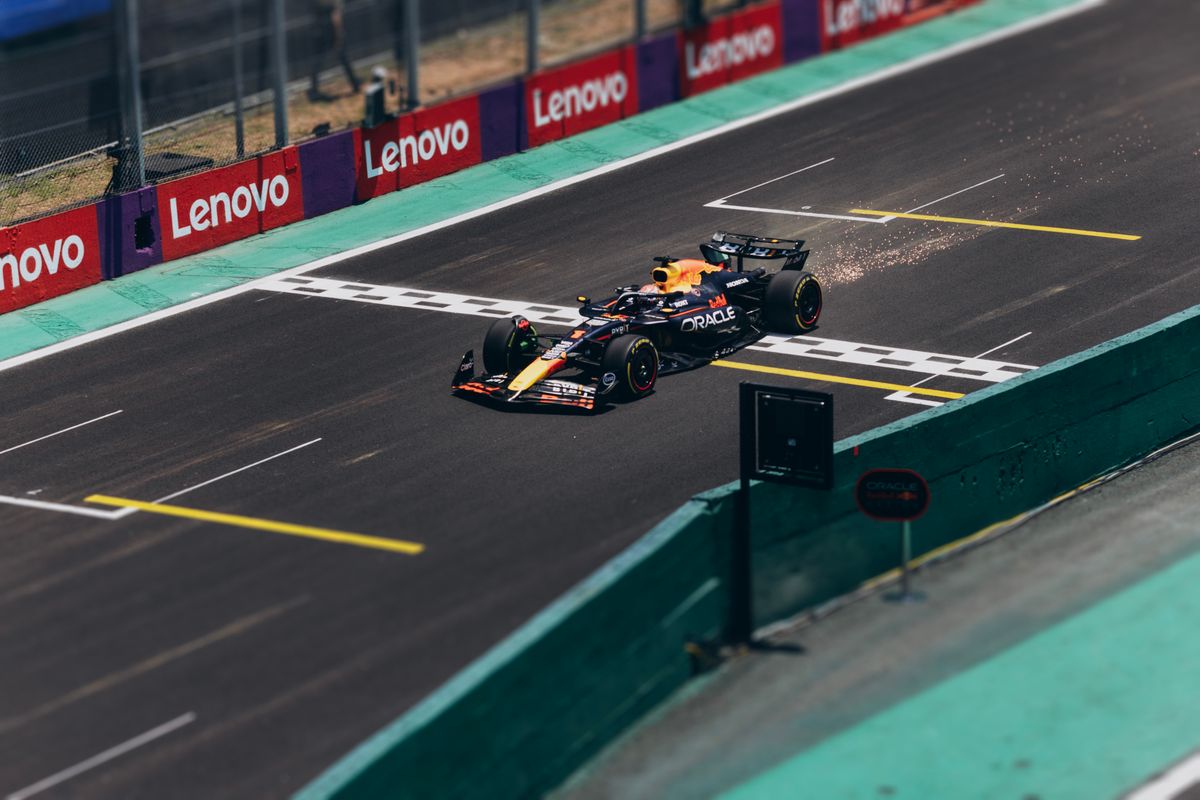
Championship Narratives
Category: Season stories
Editorial exploration of championship competition, season structures and the broader context of Grand Prix racing across different periods.
- Season and championship themes
- Editorial context for competition narratives
- Contact us for topic-specific questions
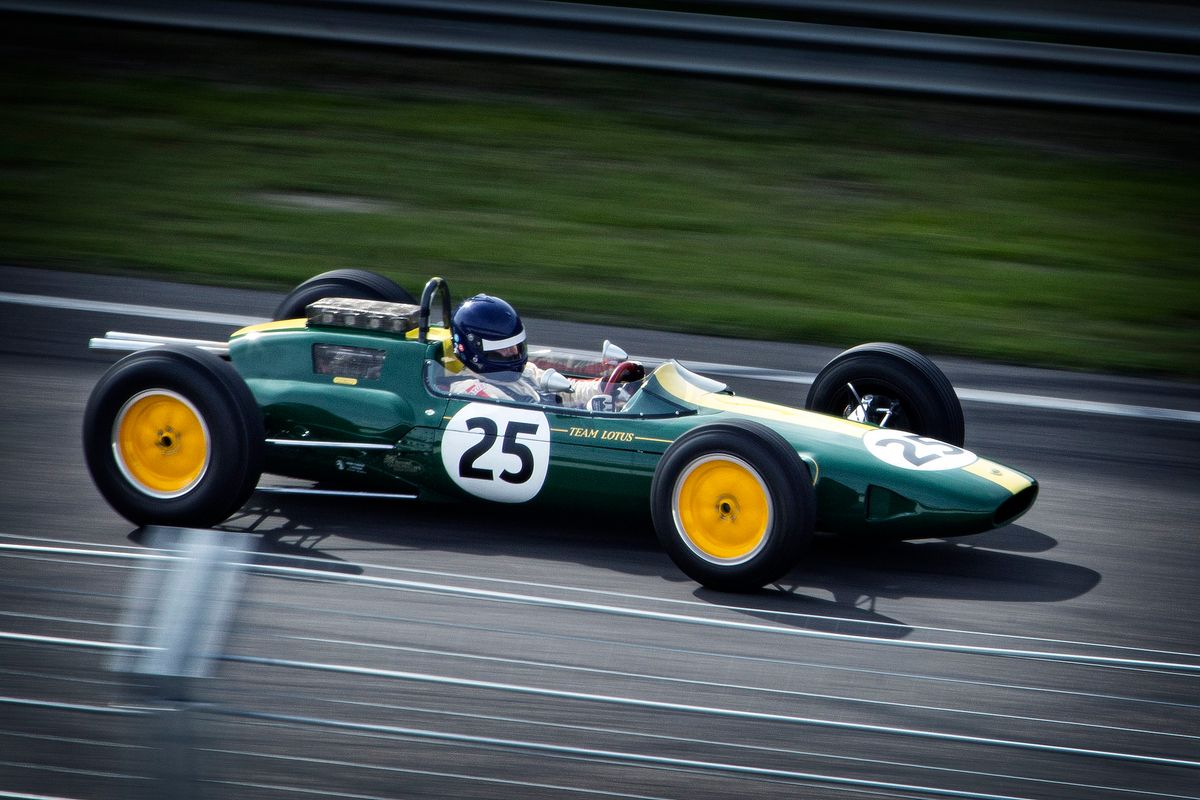
Racing Technology
Category: Technical evolution
Learn about the evolution of Formula 1 technology — engineering, aerodynamics, power units and safety systems across different racing eras.
- Technical themes across decades
- Safety and engineering development
- Contact us for general topic questions
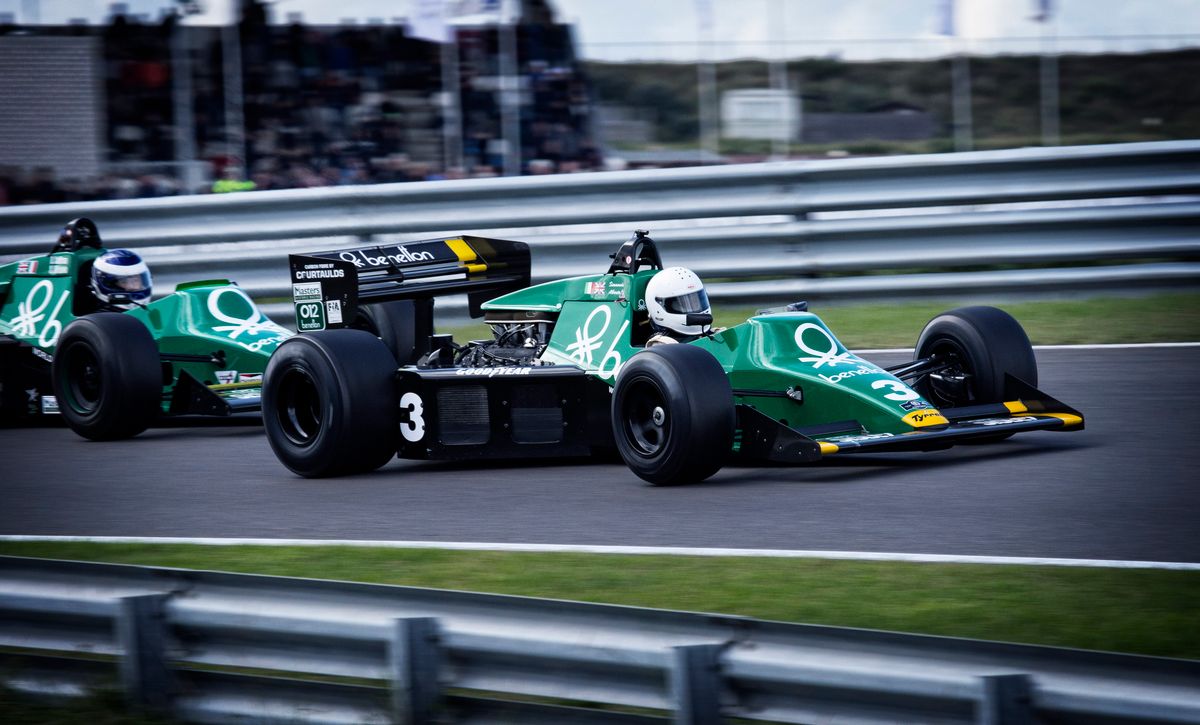
Historic Grand Prix Moments
Category: Race stories
Editorial features on memorable Grand Prix chapters, race atmosphere and the stories that shaped Formula 1 culture. Explore this chapter of Formula 1 history.
- Grand Prix stories and race atmosphere
- Historic moments in editorial context
- Contact us for general topic questions
What to compare between historical topics
You do not need every detail before writing to us. These themes help you organise questions for The F1 Chronicle.
- Era — a specific decade, championship cycle or technical period.
- Topic — drivers, teams, circuits, technology or championships.
- Reading depth — overview, deep dive or comparison between themes.
- Related themes — safety, culture, regulations or technical evolution.
- Cross-topic links — how eras connect to circuits or technology.
- Reading notes — what you hope to understand from the material.
Other topics you can ask about
- Safety evolution for circuit and car safety development.
- Formula 1 culture when atmosphere and media history matter.
- Describe your era and topic interests so we can suggest relevant reading paths.
- Not every topic is highlighted with a featured card above.
- Use the contact form to ask about timeline or championship themes.
- Include era and topic notes for a clearer reply.
Need help choosing a topic?
Send your era interest, preferred historical theme and any reading notes. The F1 Chronicle will contact you with relevant editorial information. If you are comparing two topics, describe both in your message.
Contact